 techfyba01
Table of Contents Show
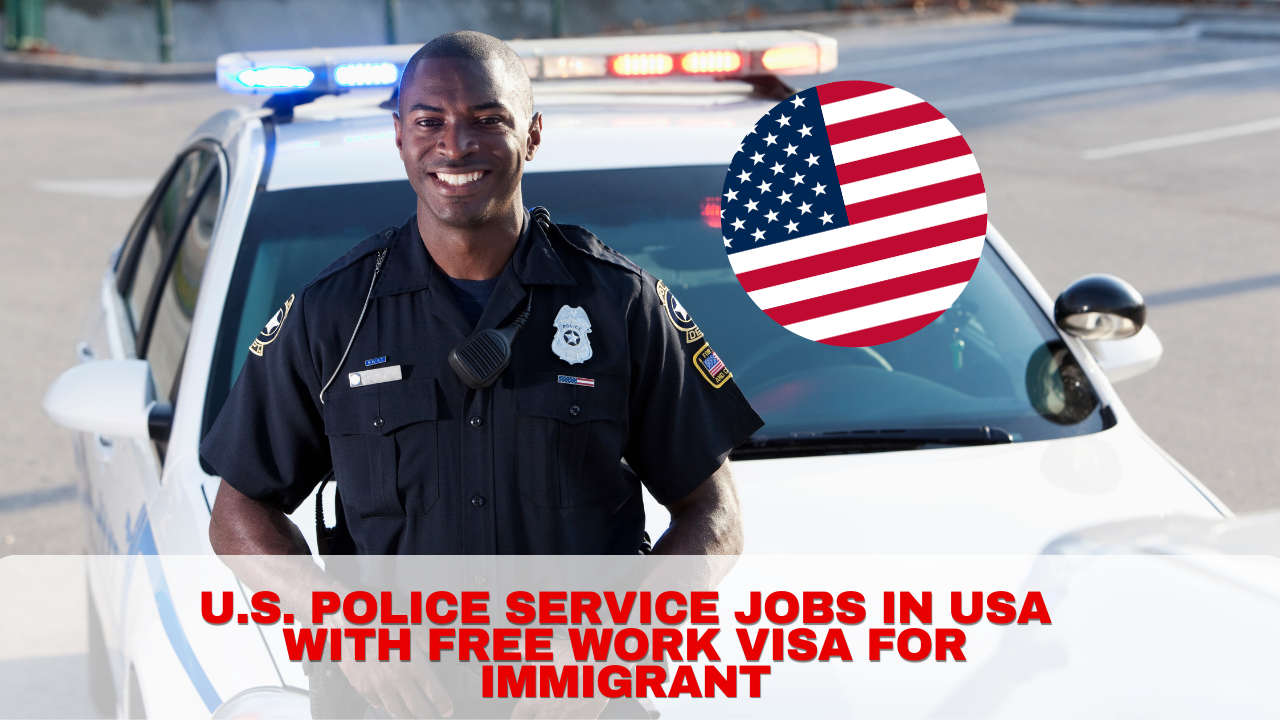
If you’re an immigrant seeking a meaningful career in public service, the United States police service might be the path for you. With free work visa sponsorship now offered by select departments, law enforcement careers are becoming more accessible to qualified international candidates.
This guide covers everything you need to know — from roles and qualifications to top-paying positions and where to apply.
Why Work in U.S. Police Service?
Law enforcement offers more than just a job. It provides purpose, security, and a platform to serve diverse communities. As a police officer in the U.S., you’ll play a key role in protecting neighborhoods, preventing crime, and promoting justice.
There’s also a significant variety in roles — from patrol units to specialized divisions like cybercrime, K9, and SWAT.
Common Roles and Responsibilities
While duties vary by unit, most police jobs involve:
- Enforcing laws and public regulations
- Responding to emergencies
- Investigating crimes and writing detailed reports
- Patrolling assigned areas
- Engaging with communities and resolving disputes
- Collaborating with other agencies for public safety
Key Skills for Police Officers
To succeed in the U.S. police force, officers must be:
- Communicative and calm under pressure
- Physically fit and mentally sharp
- Ethical, fair, and community-focused
- Skilled in quick decision-making
- Able to work long shifts and adapt to changing environments
Law enforcement values both soft skills and tactical knowledge, often offering continuous training for improvement.
Benefits of Working in U.S. Police Service
Police jobs in the U.S. offer many professional and personal perks:
- Free work visa sponsorship
- High starting salaries with structured pay increases
- Retirement pension plans and savings benefits
- Full medical, dental, and vision insurance
- Paid training and promotion opportunities
- Job stability and career advancement options
In some departments, officers also receive tuition assistance, housing support, or special allowances for hazardous duty.
Challenges Immigrants May Face in U.S. Police Jobs
While the benefits of police service are attractive, it’s important to prepare for a few common challenges immigrants might encounter:
- Cultural Adjustment: Differences in social norms, law enforcement practices, and slang can take time to learn.
- Background Checks: Some departments require extra verification for foreign-born applicants.
- Emotional Pressure: Policing in the U.S. can be physically and mentally demanding.
- Shift Work: Officers often work rotating or overnight shifts, especially in the first few years.
Being aware of these realities will help you build resilience and plan ahead for success.
Requirements and Eligibility
Applicants must meet specific criteria before applying. While requirements vary, most departments expect:
- A high school diploma or higher education
- Proficiency in English (written and spoken)
- A clean background with no major criminal record
- Ability to pass a physical exam and psychological evaluation
- Authorization to work in the U.S. or eligibility for visa sponsorship
In most states, candidates must also complete a police academy training course after hiring.
U.S. Work Visa Options for Police Jobs
If you’re an immigrant hoping to work in U.S. law enforcement, understanding visa options is crucial. While visa sponsorship for police roles is less common than in tech or healthcare, some departments do provide pathways through:
- EB-3 Visa (Skilled Worker Program): A common route for public safety professionals if the employer is willing to sponsor.
- H-1B Visa (Specialty Occupations): Not typical for patrol roles but may apply to tech-related units like cybercrime.
- Green Card Sponsorship: Some departments offer long-term employment-based sponsorships leading to permanent residency.
- TN Visa (for Canadians and Mexicans): May apply to support roles in criminal analysis or forensic investigation under the USMCA agreement.
Understanding which visa matches your skills and background is a critical step toward starting your career in U.S. policing.
How to Apply for U.S. Police Service Jobs with Visa Sponsorship
Follow these steps to improve your chances:
- Start with Official Police Department Sites
Browse government and city law enforcement job boards directly. They often list open positions, eligibility requirements, and deadlines. - Tailor Your Resume for Law Enforcement
Highlight physical fitness, bilingual abilities, teamwork, and any volunteer experience in public service or security. - Use Targeted Search Keywords
When using platforms like LinkedIn or Indeed, search using terms like “Police Officer Visa Sponsorship USA” or “Law Enforcement Jobs for Immigrants.” - Attend Virtual or Local Recruitments
Many U.S. police departments organize hiring expos or career webinars where international applicants can ask questions and network. - Submit Documents Carefully
Attach your resume, certifications, and a clear cover letter. Explain your motivation and willingness to serve communities in the U.S. - Stay Updated and Follow Up
Departments may take weeks to respond. Check your email often and follow up if you haven’t received feedback.
What to Expect from U.S. Police Academy Training
After your application is accepted, you’ll undergo mandatory police academy training. This is where you’ll gain the physical and mental skills required for the job. The training usually includes:
- Firearm use and safety protocols
- Legal procedures and rights
- De-escalation techniques
- Crisis intervention and first aid
- Physical conditioning and agility training
- Report writing and courtroom preparation
Academies typically last from 12 to 28 weeks depending on the state and department. Most are paid training programs, and you’re officially a police officer once certified.
Top Police Departments Known for Hiring Immigrants
Some U.S. police departments are open to hiring qualified foreign nationals through visa sponsorship programs. Among them:
- New York City Police Department (NYPD)
- Los Angeles Police Department (LAPD)
- Chicago Police Department
- Houston Police Department
- Miami-Dade Police Department
These departments serve diverse communities and often welcome multilingual applicants or those with global perspectives.
Immigration Support and Relocation Assistance
Some police departments understand the challenges foreign recruits face and offer legal and relocation support to make the transition easier:
- Legal Aid: Access to immigration attorneys who help with visa processing, adjustment of status, and legal compliance.
- Relocation Support: Departments may offer temporary housing, stipends, or relocation bonuses.
- Family Integration: Some also provide support for spouses and children, including education assistance and community integration programs.
Always research what each department offers in terms of onboarding for international recruits.
Average Salary Ranges in Police Jobs
Pay varies depending on location, experience, and specialization. Here’s a breakdown of estimated annual salaries across select roles:
| Position | Salary Range |
|---|---|
| SWAT Officer | $70,000 – $100,000 |
| Homicide Detective | $60,000 – $90,000 |
| K9 Unit Officer | $55,000 – $80,000 |
| Police Sergeant | $75,000 – $110,000 |
| Cybercrime Investigator | $80,000 – $120,000 |
Big cities often offer higher pay to compensate for cost of living and job complexity. Some rural departments may offer relocation bonuses or housing incentives.
Career Advancement Opportunities for Immigrant Officers
Law enforcement in the U.S. offers structured pathways for career growth. Once you’ve established yourself, here are some options to advance your career:
- Detective or Investigator (after 2–5 years of patrol duty)
- Sergeant → Lieutenant → Captain (through internal promotion exams)
- Specialized Units: K9, SWAT, narcotics, cybercrime, and human trafficking divisions
- Federal Level: Opportunities in DEA, ICE, ATF, or FBI may open up once citizenship is obtained
Consistent performance, further training, and leadership skills are keys to moving up in U.S. law enforcement.
Resources for Finding Police Service Jobs
For a seamless exploration of police service job opportunities, consider leveraging the following reputable platforms:
- Police Department Websites: Check the official websites of police departments in the cities or regions you are interested in.
- Indeed.com (Law Enforcement Section): A widely used job search platform with a dedicated law enforcement section.
- PoliceOne.com: A specialized platform catering to law enforcement professionals.
- LinkedIn: Connect with police department recruiters and explore job listings on the platform.
Path to U.S. Citizenship Through Law Enforcement
Working in law enforcement can help accelerate your path to becoming a U.S. citizen:
- Stable Employment: Qualifies you for adjustment of status after several years.
- Green Card Pathway: Departments that offer EB-3 sponsorship may also support your permanent residency process.
- Naturalization: You may apply for citizenship after five years of continuous residency (or three if married to a U.S. citizen).
- Priority Processing: Public safety professionals may benefit from expedited application reviews.
Citizenship opens doors to federal roles and greater career security.
Conclusion
Pursuing a police service job in the U.S. with visa sponsorship is a rewarding decision for any immigrant passionate about law, order, and community welfare. While the process may seem rigorous, thousands of international candidates successfully enter law enforcement roles every year.
Stay informed, apply strategically, and prepare thoroughly. Your path to a purpose-driven career in U.S. policing is within reach.
Frequently Asked Questions (FAQs)
Can immigrants apply for police jobs in the U.S.?
Yes, many departments accept non-citizens with legal work authorization and sponsor qualified candidates.
What visa is required to work as a police officer in the USA?
The EB-3 visa is the most common path. Some roles may qualify under H-1B or other employment-based visas.
Are there police academies that accept immigrants?
Yes. Most police academies only require work authorization and a clean background check.
How long does it take to become a police officer in the U.S.?
The application, background check, and academy training may take 6–12 months in total.
Do I need U.S. citizenship to join federal law enforcement?
Yes, federal agencies like the FBI or DEA typically require U.S. citizenship, but state and city police departments often do not.


 techfyba01



1 comment
Please I want to serve U,S with all my life